Anthropometry
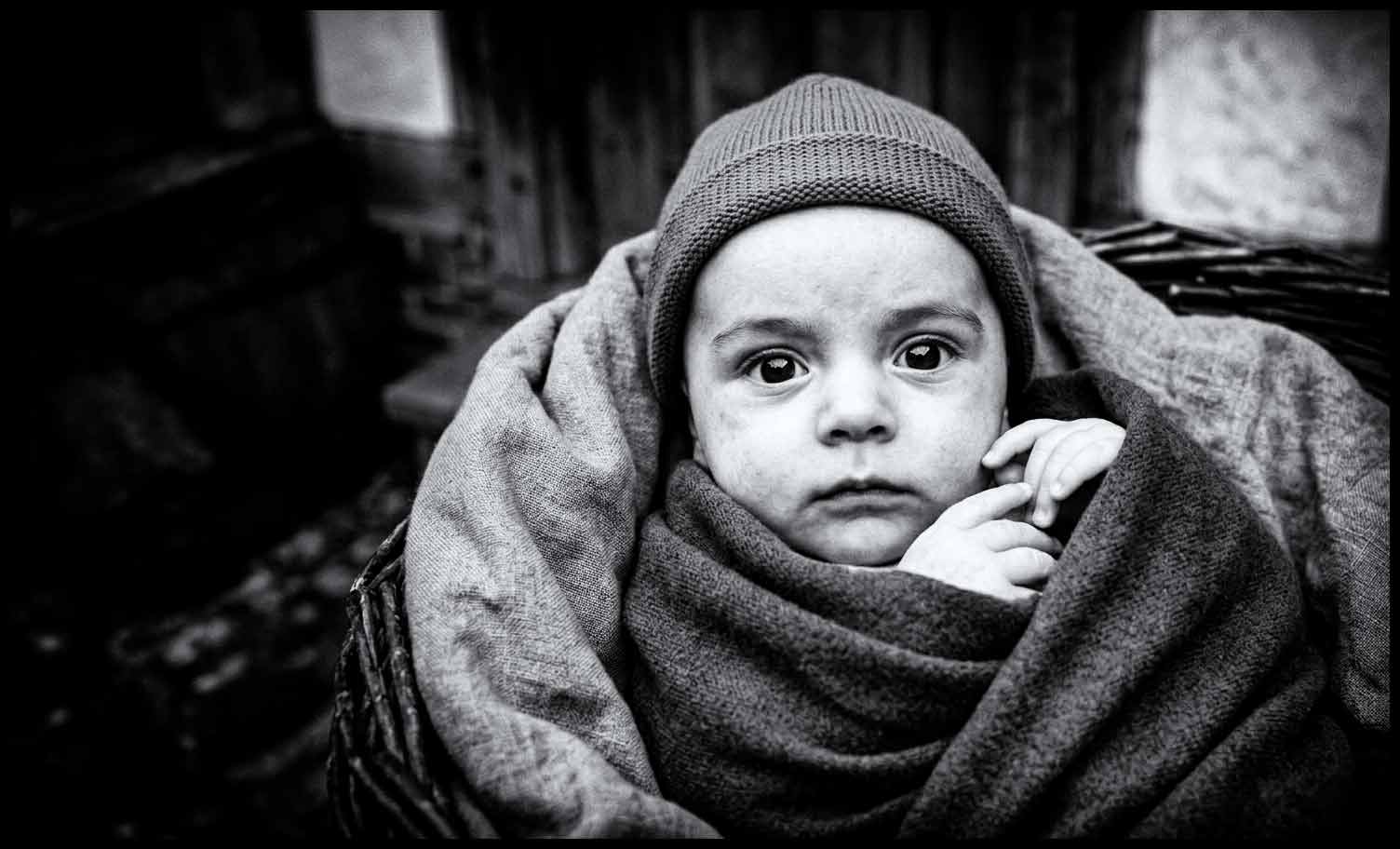
Once you can produce pictures of Shakespeare at different ages, who could possibly resist?
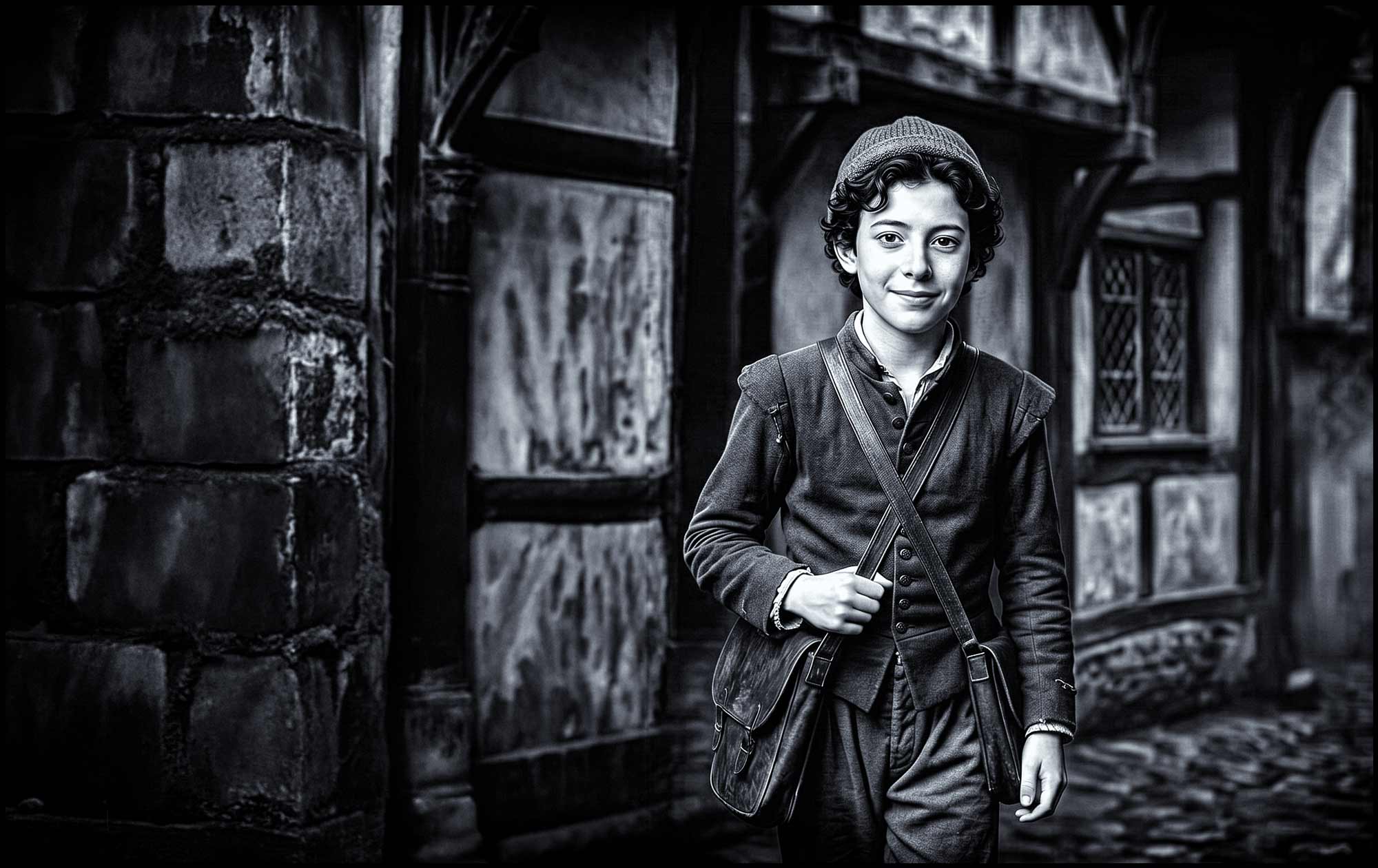
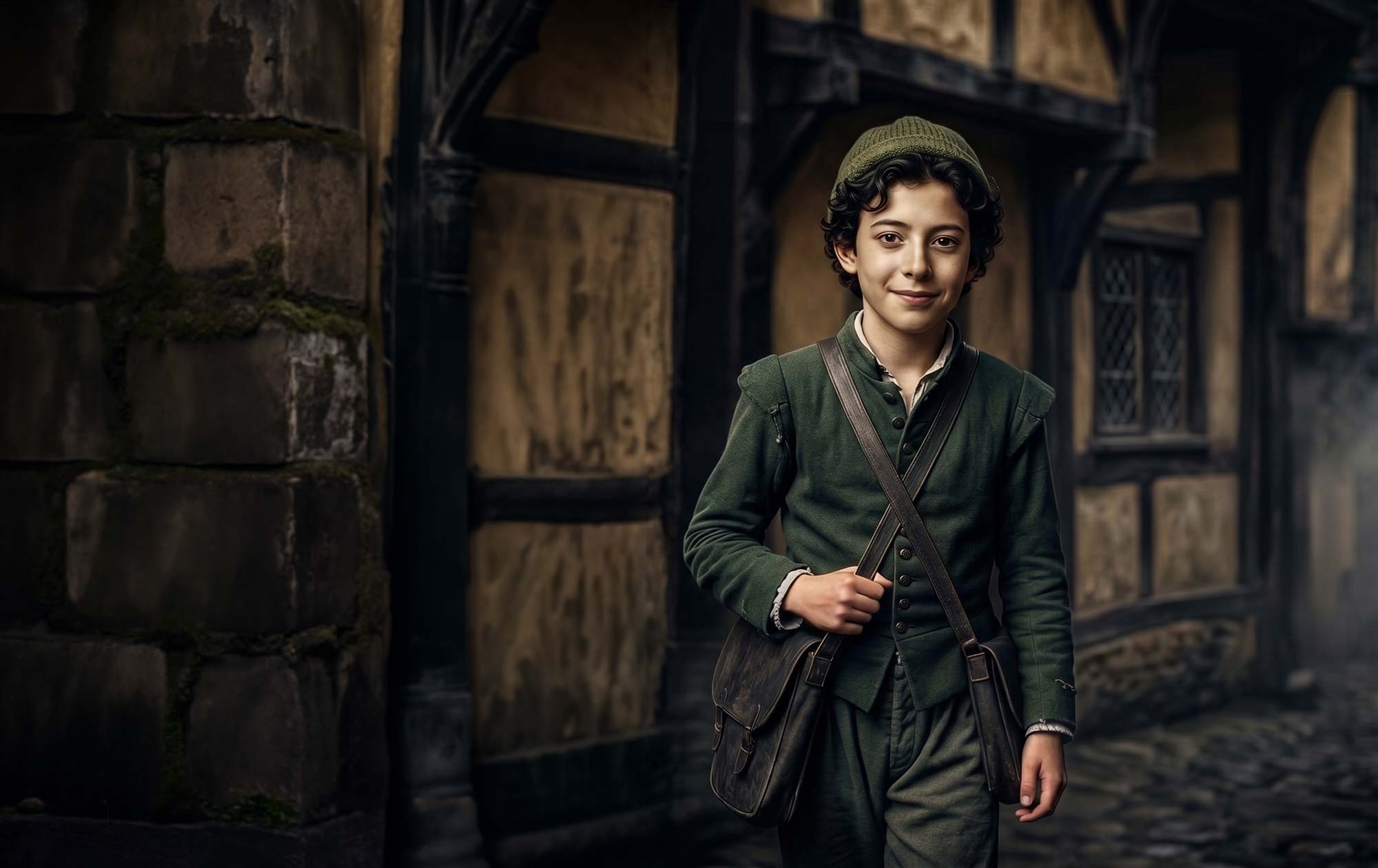
Our whining schoolboy, with his satchels (one of which he may have made himself in his father’s workshop), still with his shining morning face, creeping like snail unwillingly to school. ⌕
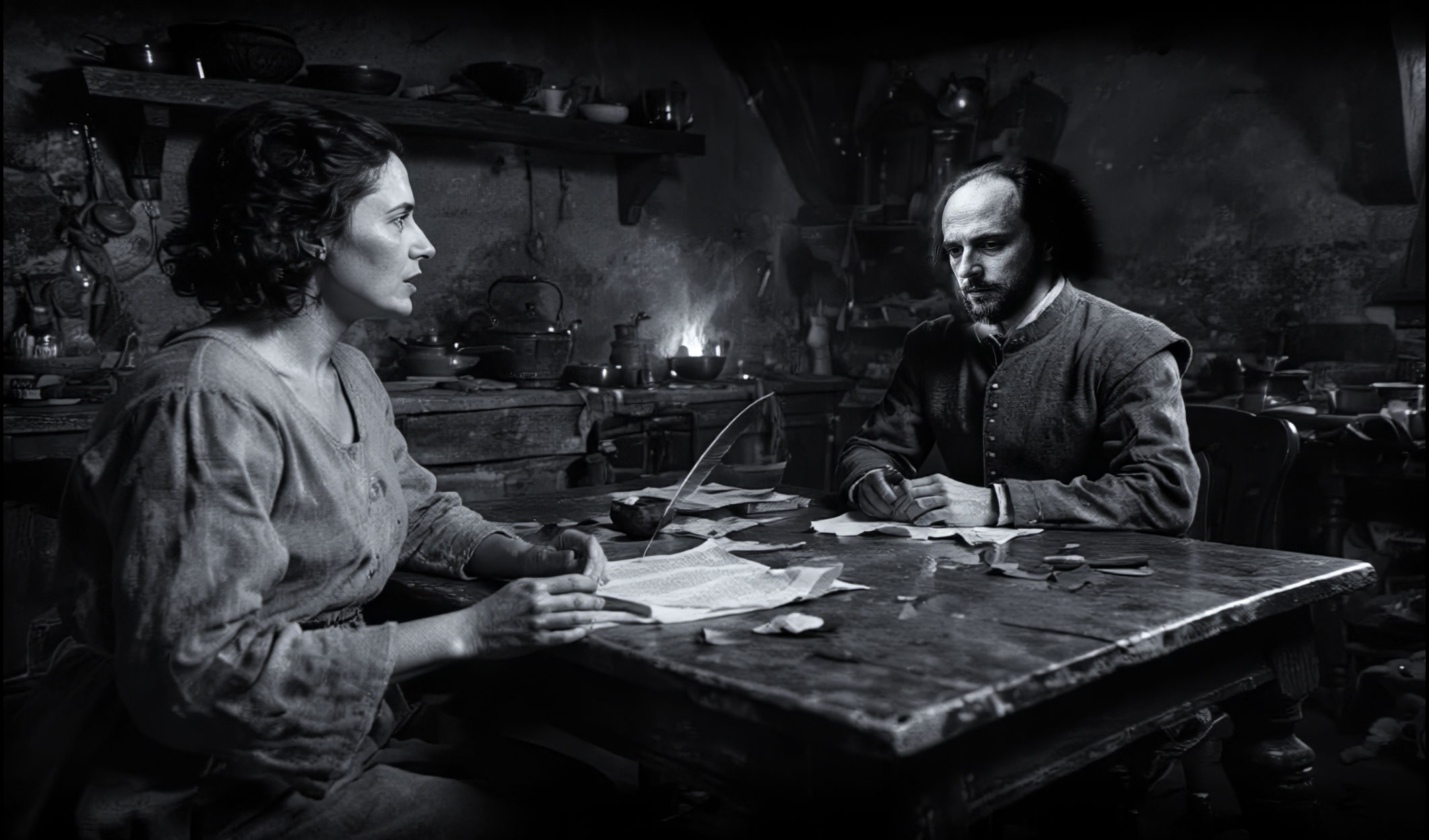
Our picture of Will at 12, despite accurate anthropometry, is obviously imaginary but the evidence for the schoolboy becoming the playwright is all real. There may be a large unfillable gap between evidence and recreated photographs of the juvenile Shakespeare, to put it mildly. However the picture of life in Stratford which Doubters love to portray, demeaning the Shakespeares, Will’s education, his home life, his business affairs, his malt stocks and his library has suffered a crushing blow from new, highly detailed research.
Lena Orlin, in her recent account of the private lives of the Shakespeares,1 and, with like-minded colleagues, a companion piece on provincial book culture in Stratford2 completely dismantle the idea, so cherished by contrarians, that Shakespeare grew up uneducated in a backward cultural wasteland. Her book lifts the fog around his early life, his family and its social status. Book Culture in Shakespeare’s Stratford follows the data around the Shakespeares and their neighbours, deliver it complete wherever it is relevant. Accurate, well-researched pictures of the Stratfordian hinterland aren’t intended to solve nitpicking authorship disputes about one man’s property and trivial civic complaints. They fill out the creative hinterland, improving the imagination’s chances of creating a realistic world for Shakespeare to inhabit by allowing it to operate on detailed adjacency, reducing the need for hypothetical construction. The picture painted shows a cultire ready for an artistic revolution driven upwards from a burgeoning consumer class ready with disposable to pay for their entertainment.
The Prima Facie Case is the shortest route from Stratford to the Folio but there are a longer processes that are just as probative. Will contributed three pages of manuscript to a play that was never produced. This script dealt with unrest and rioting. Too controversial for performance, it was rejected by the censor. After spending a decade out of sight, Shakespeare dug it out but even his powers of revival failed to rehabilitate it for the Jacobean stage. It spent 100 years in drawers before coming to light and being acquired for the nation in 1753.
Three pages of Will’s handwriting are now unequivocally described by its curator, The British Library, as Shakespeare’s “only manuscript”. Over 70 letters in Oxford’s hand survive. The handwriting reveals the two men’s idiolect. Not only are there large differences between Will’s metro-Warwickshire English and Oxford’s fenland brogue, not only are the two men separated by class, the English language they speak is almost two generations apart. Accepting Hand D is canonical (and of course we can show that it is) means Oxford cannot have written any part of it. If Hand D is canonical and in the hand that signed Will’s legal documents, there is no authorship question. This is why there is such fierce resistance to an unequivocal attribution. the most zealous doubters are forced to admit this, even Price.3
If Hand D is a written specimen of Shakespeare’s, he not only left behind a literary paper trail, he left one of the highest quality,…
Shakespeare’s world, the world of a groundbreaking early modern playwright, fits his achievements perfectly in Orlin’s landscape. The consistent texture of the Shakespeare’s world delivered from the hinterland by her research compensates for the holes, the parts that are missing from so many lives from the period.
Will Shakespeare of Stratford upon Avon was Will Shakespeare of Bankside.