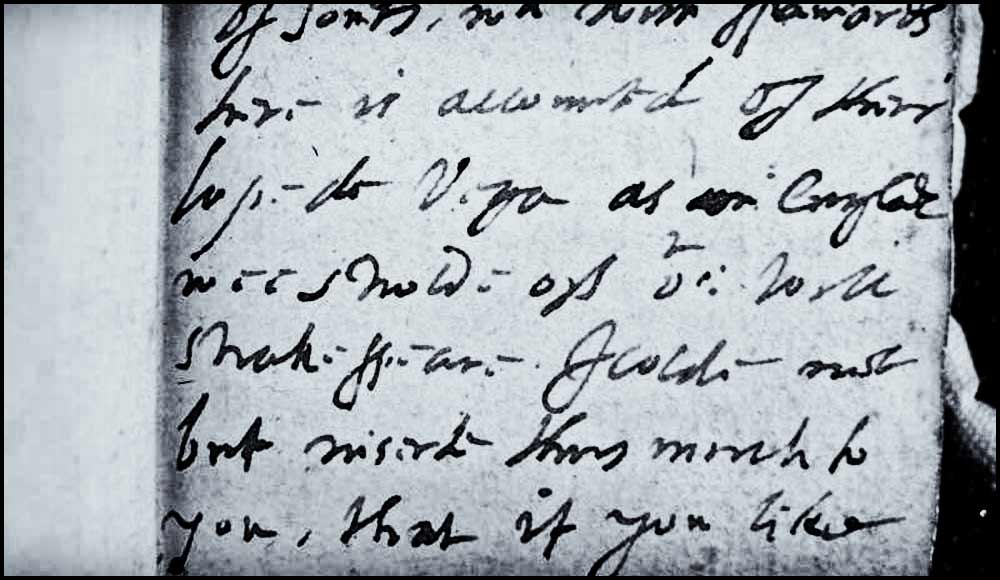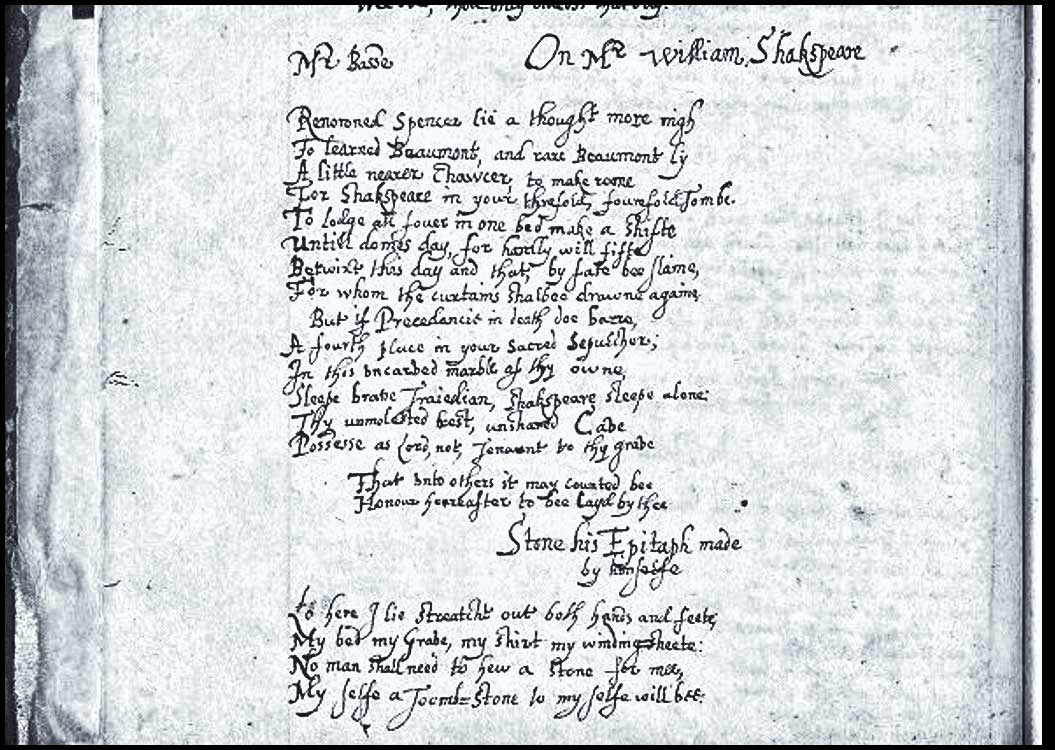
William Basse
William Basse was a poet and a member of the servant class who first comes to the attention of historians and students of language in 1602.
Narrative Synthesis
The Shakespeare Authorship Question has been popular enough at various times throughout its 150-year existence. Confrontation may have reached an all-time low between university academics and the group of enthusiasts styling themselves “Doubters” or “independent scholars” but it has recently been back in the headlines trawling the idea that Shakespeare might have been a woman.
In the early twentieth century, when Freud was still popular, some attention-seeking Shakespeare fans would diagnose Freudian complaints in Shakespeare’s characters, the most famous being Hamlet’s Oedipus Complex.1 The notion supporting this maintained that Shakespeare was such a narrow, detailed observer of humanity that any modern behavioural diagnosis might be observable in the canon, hundreds of years before being identified by psychologists.
Freud has faded although the idea that Shakespeare offers us a complete encyclopedia of humanity has not. Exploring today’s gender issues based on the strength of the canon’s female characters is a promising new field of study. Characteristically for authorship ideas, however, replacing Shakespeare with a female author is neither wide, nor is it new. When Oxfraud launched we looked at 10 female candidates for the crown. However, as with every other category of contender, evidence for female authorship is not just scarce, it has to be created out of thin air.
Scholarship exists to turn on lights. Here there is no electricity supply
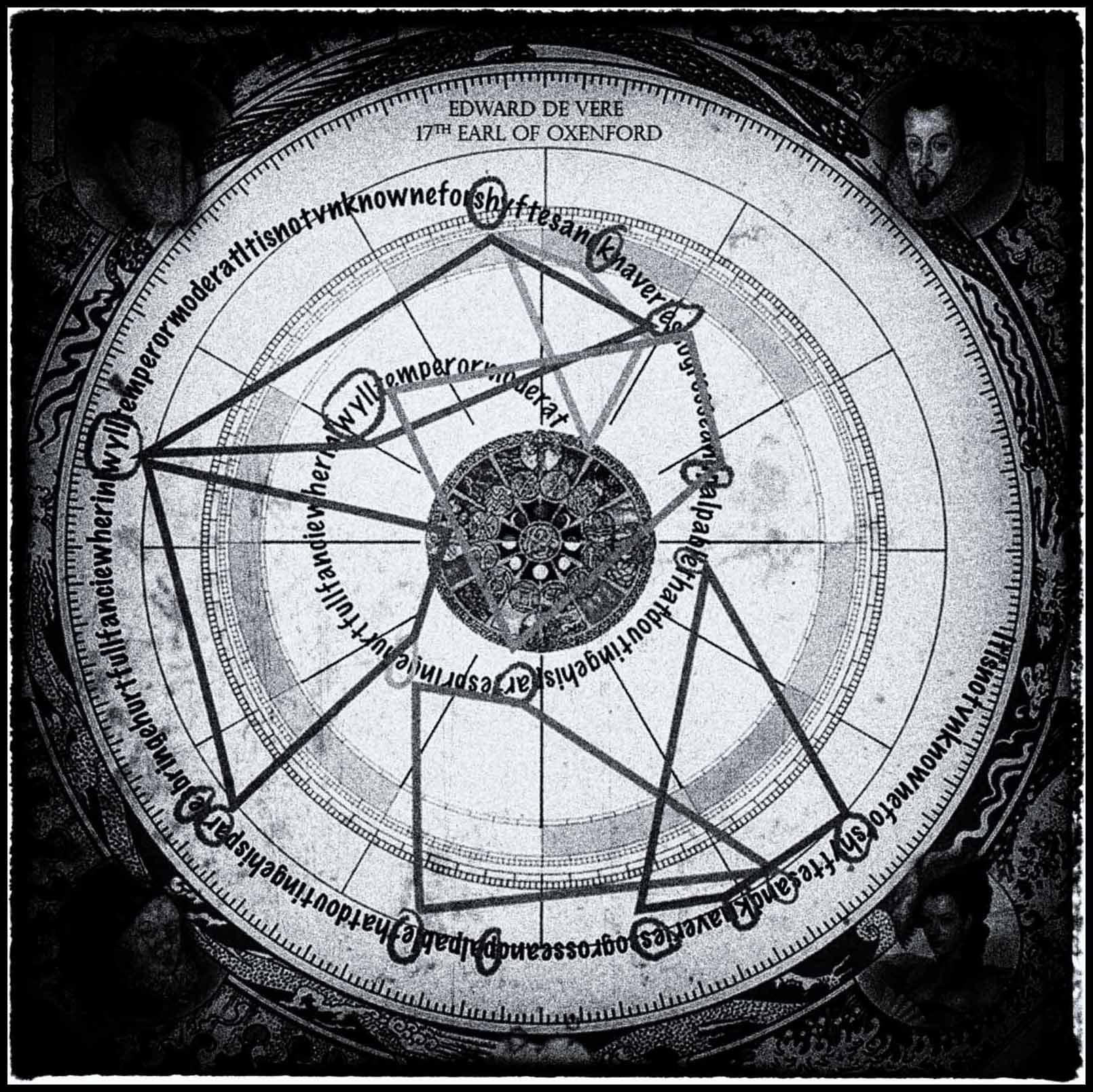
A well-worn, two-stage process exists to get any alternative candidate’s claims underway. Tangible evidence pointing at Shakespeare has to be evaded, removed or explained away. Then circumstantial evidence (tangible evidence being unavailable) has to be created, polished and sold hard. This is the work of narrative synthesis. Fuelled by the necessity of invention–the opposite of research–enthusiasts terraform a new version of the world of early theatre in which they can cast their candidate in the leading role.
This is the the heart of the Authorship Question. It’s binary. If you pick up the cudgels, you are in a fight that deals with fact or fancy, one or the other. Scholarship, whether historical, theatrical or statistical, is a polyvalent non-combatant. Scholarship exists to turn on lights. Here there is no electricity supply. On the occasions when it has entered, always unwelcome, it has been be abused, misquoted or ignored.