6. Fellow player named as trustee
The Blackfriars conveyance, 1613
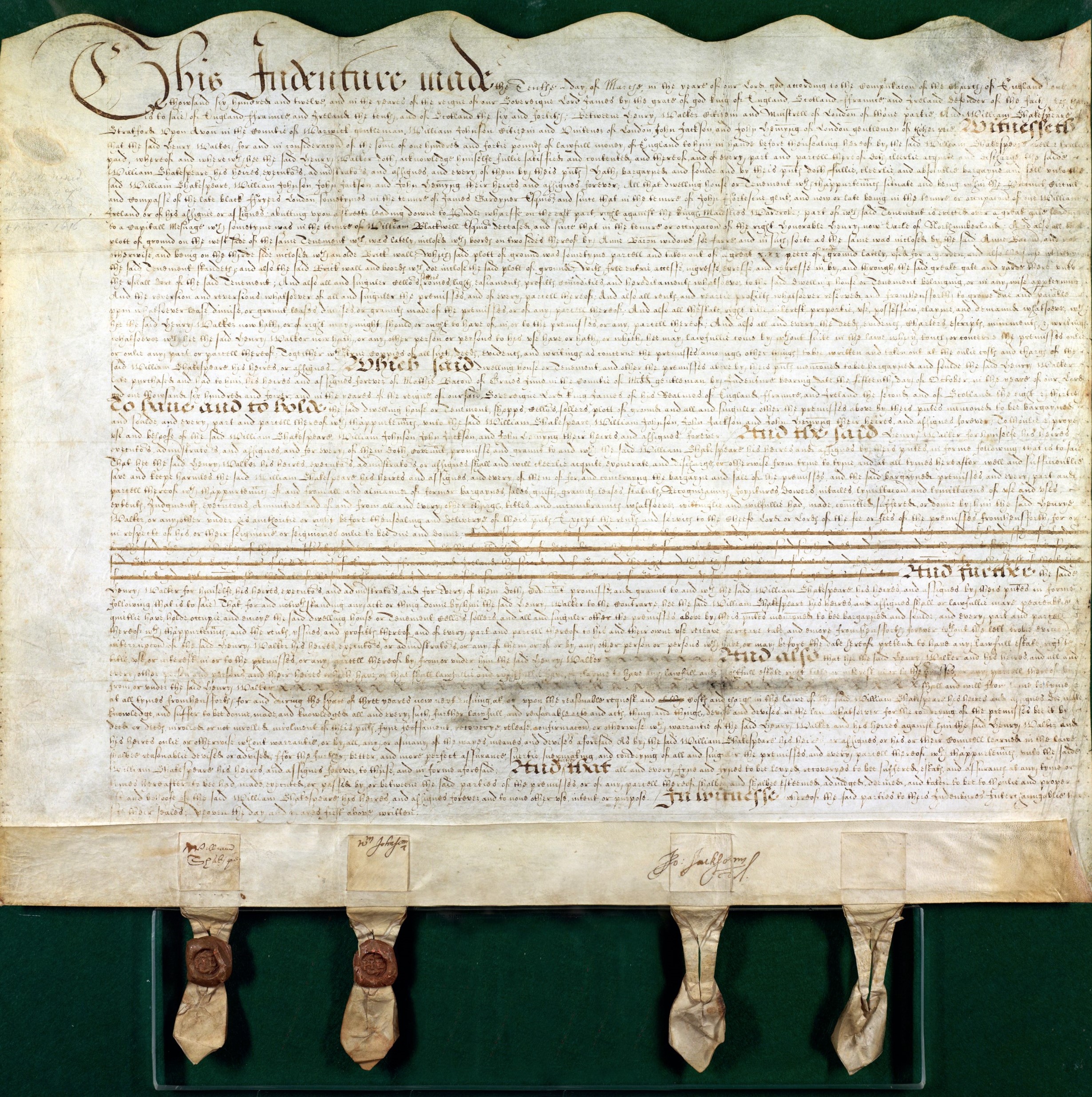
The Original Conveyance: The original 1613 deed of mortgage, signed by Shakespeare, is currently held in the British Library.
In March 1613 William Shakespeare and three associates agreed to purchase the Gatehouse of the former Dominican priory in London known as “Blackfriars” from Henry Walker for £140. The indenture of bargain and sale is dated 10 March. The mortgage, dated 11 March, implies the buyers put up only £80 at the time of sale. The document names “William Shakespeare of Stratford Vpon Avon in the Countie of Warwick gentleman” — the Stratford connection is explicit. Heminges later transferred the property to Shakespeare’s daughter Susanna. This is a legal transaction between two named individuals with documented professional and personal ties spanning twenty years.
New documents found in April 2026
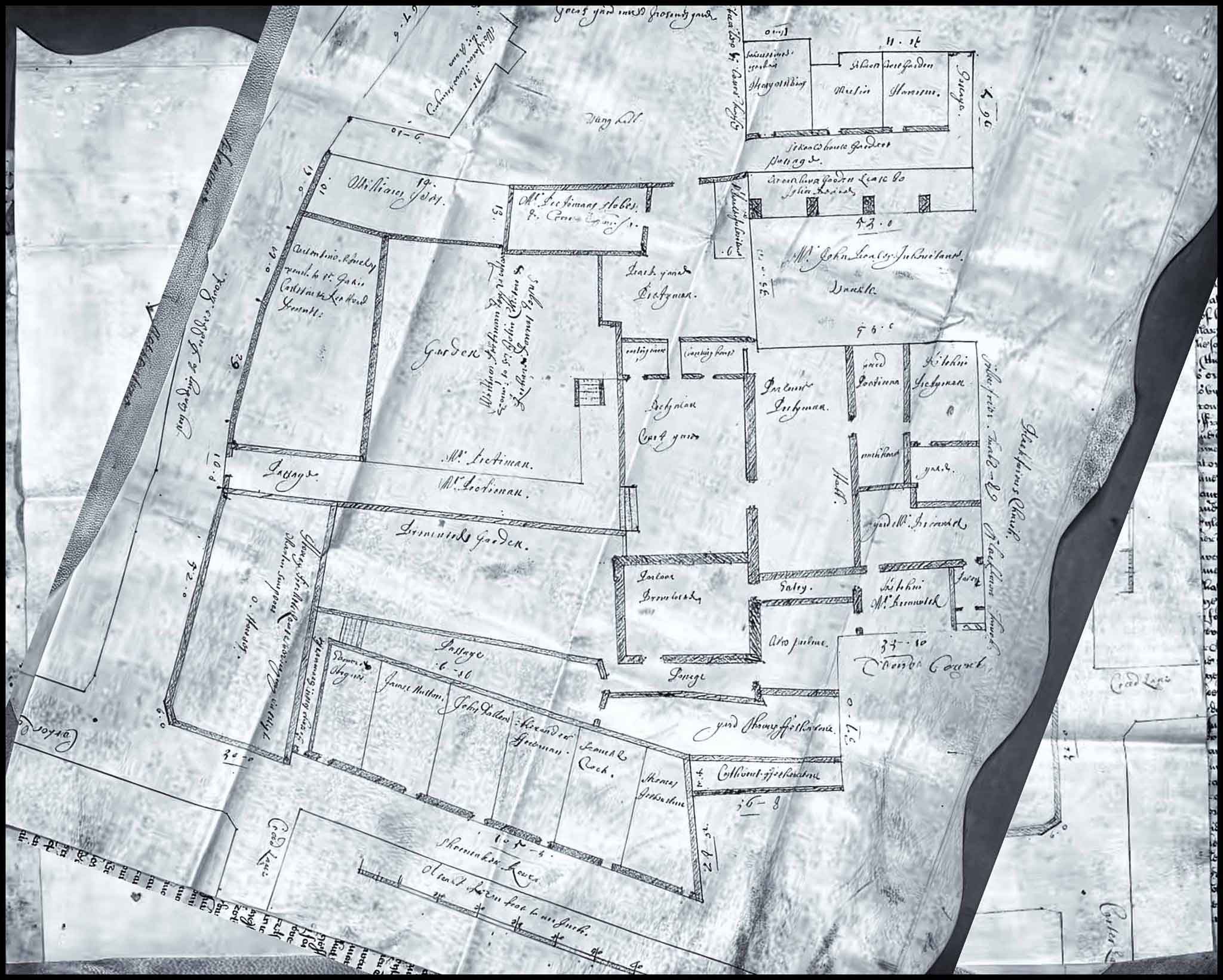
The exact location of William Shakespeare’s only London property has been pinpointed to a Blackfriars street, after an unknown floorplan was discovered. Shakespeare expert Prof Lucy Munro from King’s College London identified the location and size of the property he bought in 1613.
It had been thought that Shakespeare retired from his theatre career not long after he bought the house and returned to Stratford-upon-Avon. However, academics believe the discovery could indicate that the playwright spent more time in London than previously believed. It also means that the blue plaque for Shakespeare on St Andrew’s Hill is not “near” the site of his London house, but on the spot it used to exist.