Cleopatra’s barge
Shakespeare and his Use of Source Material
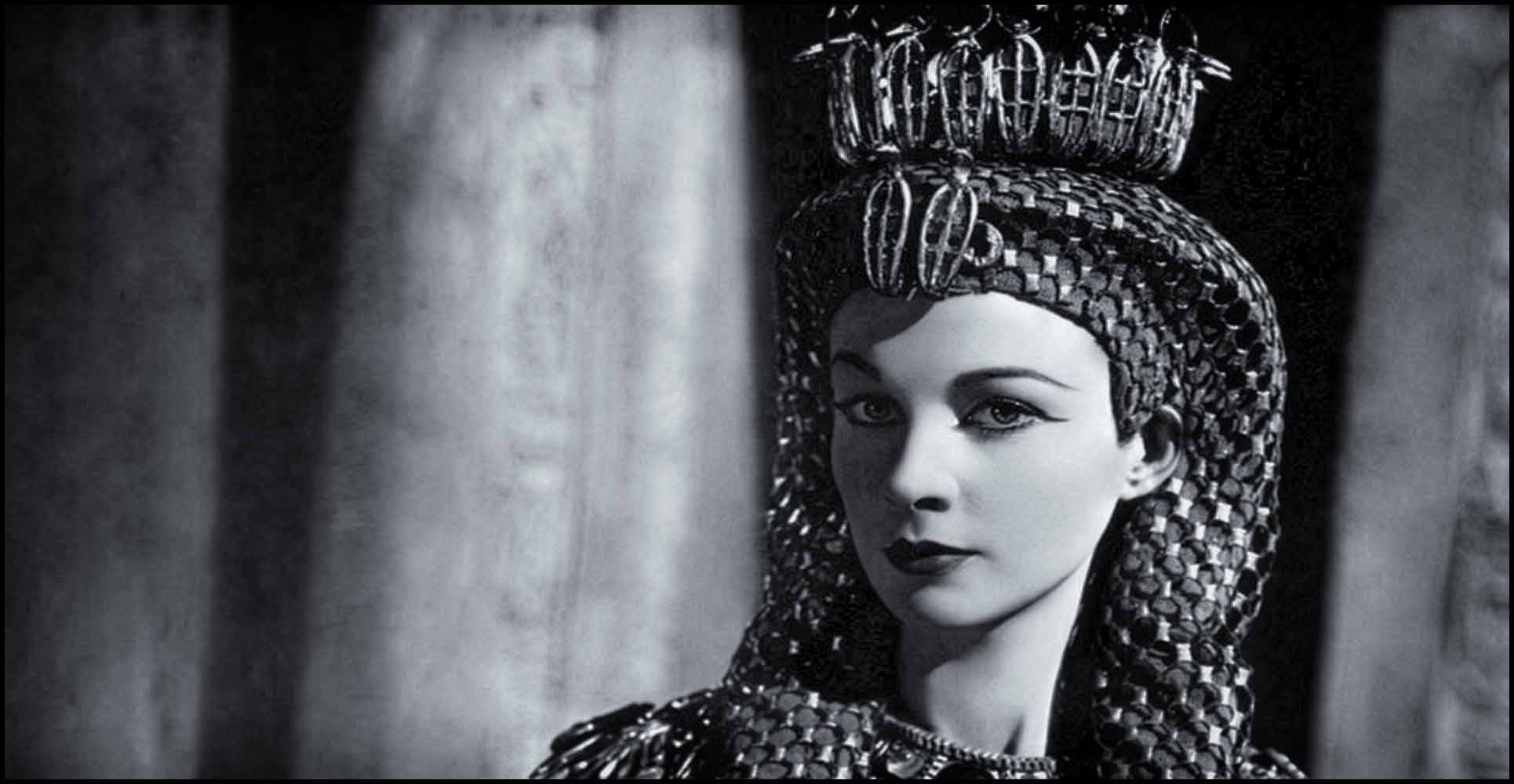
Here is what some doubters consider strong evidence that North was involved not just as a source but actually contributed to Shakespeare’s work or perhaps even wrote earlier versions of the plays that Shakespeare adapted. Shakespeare often relied heavily on his sources, sometimes too heavily as anyone knows after sitting through an uncut account of the casus belli in Henry V.
However, when you look closely at the sources of his historical work, comparing the similarities to other uses of the same material, an entirely opposite force compels you to admire the creativity of Shakespeare’s methods of saying exactly the same things. Whilst you can see how closely he followed North here, (as did Dryden, Munday and John Davies of Hereford), one writer, and only one, turned Plutarch’s Latin account and North’s translation of it, into one of the most famous speeches in the English language, making lasting impressions outside the boundaries of language itself.
Adjacent comparison like this shows the unique expressive invention most clearly. Never mind the proximity, feel the distance between these writers.
Source Material: (North) the poop whereof was of gold, the sails of purple, and the oars of silver, which kept stroke in rowing after the sound of the music of flutes
Early Augustan Poet: (Dryden) …in a barge with gilded stern and outspread sails of purple, while oars of silver beat time to the music of flutes and fifes and harps.
Amateur Shakespeare contemporary (John Davies of Hereford)* The Poop whereof was all of masy Gold; And under-neath the like most rich Pavilion She lay her self, more rich a thousand fold, Surrounded with sweet Singers; and, with all, The heaven lit Instruments.
Professional Shakespeare contemporary (Anthony Munday) the Poop whereof was of gold, the Oars of silver, the sails of purple : her self lay under a Pavilion of Gold, accompanied with sweet singers, and most excellent Musicians,
Shakespeare (William Shakespeare of Stratford) the Poop was beaten Gold, Purple the Sails: and so perfumed that The Winds were Lovesick. With them the Oars were Silver, Which to the tune of Flutes kept stroke, and made The water which they beat, to follow faster ; As amorous of their strokes.
This first sample includes the most famous passage Shakespeare took from North, showing how five different writers have adapted the source material
| # | North 1579 | Munday c.1590 | Shakespeare 1606 | Davies 1617 | Dryden 1683 |
|---|---|---|---|---|---|
| 1 | The wonderful sumptuousness of Cleopatra, Queen of Egypt, going unto Antonius but to take her barge in the river of Cydnus, the poop whereof was of gold, the sails of purple, and the oars of silver, which kept stroke in rowing after the sound of the music of flutes, how boys, citherns, violls, and such other instruments as they played upon in the barge. | And she came, not fearful, trembling or in mean estate, but along the River Cydnus in a Galleon, the Poop whereof was of gold, the Oars of silver, the sails of purple | Enobarbus: I will tell you, The Barge she sat in, like a burnished Throne Burnt on the water: the Poop was beaten Gold, Purple the Sails: and so perfumed that The Winds were Lovesick. With them the Oars were Silver, Which to the tune of Flutes kept stroke, and made The water which they beat, to follow faster; As amorous of their strokes]. | MArcus Antonius (as Plutarch shoes) Commanding Cleopatra to appear Before him (sith she succored his fos) She came in pomp (as one that had no Peer) Along the River Cydnus in a Galleon, The Poop whereof was all of masy Gold; | She received several letters, both from Antony and from his friends, to summon her, but she took no account of these orders; and at last, as if in mockery of them, she came sailing up the river Cydnus, in a barge with gilded stern and outspread sails of purple, while oars of silver beat time to the music of flutes and fifes and harps. |
| 2 | And now for the person of her self: she was laid under a pavilion of cloth of gold of tissue, apparelled and attired like the goddess Venus, commonly drawn in picture: and hard by her, on either hand of her, pretty fair boys apparelled as painters do set forth god Cupide, with little fans in their hands, with the which they fanned wind upon her. | her self lay under a Pavilion of Gold, accompanied with sweet singers, and most excellent Musicians, all the attendants of her house being attired in very sumptuous Lyueries. | For her own person, It beggared all description, she did lie In her Pavilion, cloth of Gold, of Tissue, Overpicturing that Venus, where we see The fancy outwork Nature. On each side her, Stood pretty Dimpled Boys, like smiling Cupids, With diverse coloured Fans whose wind did seem, To glow the delicate cheeks which they did cool, And what they undid did. | And underneath the like most rich Pavilion She lay her self, more rich a thousand fold, Surrounded with sweet Singers; and, with all, The heaven lit Instruments that Songs could grace; Her Servants clad in Robes majestical Brodred with Pearl, t’wixt richest Goldenlace, Thus came she gliding, on the Silver Stream, Forced with silver Oars, and silken Sails; (Crowned her self with dearest Diadem) Towards Anthony; | She herself lay all along, under a canopy of cloth of gold, dressed as Venus in a picture, and beautiful young boys, like painted Cupids, stood on each side to fan her. Her maids were dressed like Sea Nymphs and Graces, some steering at the rudder, some working at the ropes. |
| 3 | Her Ladies and gentlewomen also, the fairest of them were apparelled like the nymphs Nereides (which are the mermaids of the waters) and like the Graces, some stearing the helme, others tending the tackle and ropes of the barge, out of the which there came a wonderful passing sweet savour of perfumes, that perfumed the wharfs side, pestered with innumerable multitudes of people. | Agrippa: Oh rare for Anthony. Enobarbus: Her Gentlewoman, like the Nereides, So many Mermaids tended her in the eyes, And made their bends adornings. At the Helm. A seeming Mermaid steers: The Silken Tackle, Swell with the touches of those Flower-soft hands, That yarely frame the office. From the Barge A strange invisible perfume hits the sense Of the adjacent Wharfs. | The perfumes diffused themselves from the vessel to the shore, which was covered with multitudes, | ||
| 4 | Some of them followed the barge all alongest the rivers side: others also ran out of the city to see her coming in. So that in thend, there ran such multitudes of people one after an other to see her, that Antonius was left post alone in the market place, in his Imperial seat to give audience: and there went a rumour in the peoples mouths, that the goddess Venus was come to play with the god Bacchus, for the general good of all ASIA. | The City cast Her people out upon her: and Anthony Enthroned in the Marketplace, did sit alone, Whistling to the air: which but for vacancy, Had gone to gaze on Cleopatra too, And made a gap in Nature. | with whom she so prevails That she Captived him, being Conqueror; For, she on Beauties Privilege did stand (Consorted with this Wealth, Port, Pomp & Power) That She Commands him, that did her Command. But though she made this Pagan much transgesse; Some Saints in show, do oft much worse with less! | part following the galley up the river on either bank, part running out of the city to see the sight. The market-place was quite emptied, and Antony at last was left alone sitting upon the tribunal; while the word went through all the multitude, that Venus was come to feast with Bacchus, for the common good of Asia. | |
| 5 | When Cleopatra landed, Antonius sent to invite her to supper to him. But she sent him word again, he should do better rather to come and sup with her. | When Anthonie sent to invite her to sup with him, she sent to command him to come and sup with her, so much did she stand upon the privilege of her beauty, behaviour & quaintness in speech: which she delivered with such majesty, and had so delicate a pronunciation, as her tongue seemed like a curious instrument of many strings. She could alter her speech to what language she pleased, or as occasion served: she spake to the Arabians, Sirians, Hebrewes, Meads, Parthians, Ethiopia | Agrippa: Rare Egyptian. Enobarbus: Upon her landing, Anthony sent to her, Invited her to Supper: she replied, It should be better, he became her guest: Which she entreated, our Courteous Anthony, Whom never the word of no woman hard speak, Being barbered ten times over, goes to the Feast; And for his ordinary, pays his heart, For what his eyes eat only. | On her arrival, Antony sent to invite her to supper. She thought it fitter he should come to her; so, willing to show his good-humor and courtesy, he complied, and went. | |
| 6 | Agrippa: Royal Wench: She made great Caesar lay his Sword to bed, He ploughed her, and she cropped. Enobarbus: I saw her once Hop forty Paces through the public street, And having lost her breath, she spoke, and panted, That she did make defect, perfection, And breathless power breathe forth. Maecenas: Now Anthony, must leave her utterly. Enobarbus: Never he will not: Age can not wither her, nor custom stale Her infinite variety: other women cloy The appetites they feed, but she makes hungry, Where most she satisfies. For vilest things Become themselves in her, that the holy Priests Bless her, when she is Riggish. | He found the preparations to receive him magnificent beyond expression, but nothing so admirable as the great number of lights; for on a sudden there was let down altogether so great a number of branches with lights in them so ingeniously disposed, some in squares, and some in circles, that the whole thing was a spectacle that has seldom been equalled for beauty. |
Antonius being thus inclined, the last and extremest mischief of all other ( to wit, the love of Cleopatra ) lighted on him, who did waken a stir up many vices yet hidden in him, and were never seen to any : and if any spark of goodness or hope of rising were left him, Cleopatra quenched it straight, and made it worse then before.
The manner how he fell in love with her was this.
Antonius going to make war with the PARTHIANS, sent to command Cleopatra to appear personally before him, when he came into CILICIA, Antonius lou to Cleopatra whom he sent for into Cilicia. to answer unto such accusacions as were laid against her, being this : that she had aided Cassius and Brutus in their war against him.
The messenger sent unto Cleopatra to make this summons unto her, was called Dellius : who when he had thoroughly considered her beauty, the excellent grace and sweetness of her tongue, he nothing mistrusted that Antonius would do any hurt to so noble a Lady, but rather assured him self, that within few days she should be in great favour with him.
Thereupon he did her great honour, and persuaded her to come into CILICIA, as honourably furnished as she could possible, and bad her not to be affrayed at all of Antonius, for he was a more courteous Lord, then any that she had ever seen.
Cleopatra on tother side believing Dellius words, and guessing by the former access and credit she had with Iulius Caesar, and Cueus Pompey ( the son of Pompey the great ) only for her beauty : she began to have good hope that she might more easily win Antonius.
For Caesar and Pompey knew her when she was but a young thing, & knew not then what the world meant : but now she went to Antonius at the age when a woman ’s beauty is at the prime, and she also of best judgment.
So, she furnished her self with a world of gifts, store of gold and silver, and of riches and other sumptuous ornaments, as is credible enough she might bring from so great a house, and from so wealthy and rich a realm as EGYPT was.
But yet she carried nothing with her wherein she trusted more then in her self, and in the charms and enchantment of her passing beauty and grace.
Therefore when she was sent unto by divers letters, both from Antonius him self, and also from his friends, she made so light of it, and mocked Antonius so much, that she disdained to set forward otherwise, The wonderful sumptuousness of Cleopatra, Queen of Egypt, going unto Antonius. but to take her barge in the river of Cydnus, the poop whereof was of gold, the sails of purple, and the hours of silver, which kept stroke in rowing after the sound of the music of flutes, how boys, citherns, violls, and such other instruments as they played upon in the barge.
And now for the person of her self : she was laid under a pavilion of cloth of gold of tissue, apparelled and attired like the goddess Venus, commonly drawn in picture : and hard by her, on either hand of her, Cydnus fl. pretty fair boys apparelled as painters do set forth god Cupide, with little fans in their hands, with the which they fanned wind upon her.
Her Ladies and gentlewomen also, the fairest of them were apparelled like the nymphs Nereides ( which are the mermaids of the waters ) and like the Graces, some stearing the helm, others tending the tackle and ropes of the barge, out of the which there came a wonderful passing sweet savor of perfumes, that perfumed the wharfes side, pestered with innumerable multitudes of people.
Some of them followed the barge all alongest the rivers side : others also ran out of the city to see her coming in.
So that in thend, there ran such multitudes of people one after an other to see her, that Antonius was left post alone in the market place, in his Imperial seat to give audience : and there went a rumour in the peoples mouths, that the goddess Venus was come to play with the god Bacchus, for the general good of all ASIA.
When Cleopatra landed, Antonius sent to invite her to supper to him.
But she sent him word again, he should do better rather to come and sup with her.
Antonius therefore to show him self courteous unto her at her arrival, was contented to obey her, & went to supper to her : where he found such passing sumptuous fare, The sumptuous preparations of the suppers of Cleopatra and Antonius. that no tongue can express it.
But amongst all other things, he most wondered at the infinite number of lights and torches hanged on the top of the house, giving light in every place, so artificially set and ordered by devises, some round, some square : that it was the rarest thing to behold that eye could discern, or that ever books could mention.
The next night, Antonius feasting her, contended to pass her in magnificence and fineness : but she overcame him in both.
So that he him self began to scorn the gross service of his house, in respect of Cleopatraes sumptuousness and fineness.
And when Cleopatra found Antonius ieasts and slents to be but gross, and soldier like, in plain manner : she gave it him finely, Cleopatraes beauty.
and without fear taunted him thoroughly.
Now her beauty ( as it is reported ) was not so passing, as unmatchable of other women, nor yet such, as upon present view did enamor men with her : but so sweet was her company and conversation, that a man could not possibly but be taken.
And besides her beauty, the good grace she had to talk and discourse, her courteous nature that tempered her words & deeds, was a spur that pricked to the quick.
Furthermore, besides all these, her voice and words were marvelous pleasant : for her tongue was an instrument of music to divers sports and pastimes, the which she easily turned to any language that pleased her.
She spake unto few barbarous people by interpreter, but made them answer her self, or at the least the most part of them : as the AETHIOPIANS, the ARABIANS, the TROGLODYTES, the HEBRVES, the SYRIANS, the MEDES, and the PARTHEANS, and to many others also, whose languages she had learned.
Whereas divers of her progenitors, the kings of EGYPT, could scarce learn the EGYPTIAN tongue only, and many of them forgot to speak the MACEDONIAN.
Now, Antonius was so ravished with the love of Cleopatra, that though his wife Fuluia had great wars, and much a do with Caesar for his affairs, and that the army of the PARTHIANS, ( the which the kings Lieutenauntes had given to the only leading of Labieaus ) was now assembled in MESOPOTAMIA ready to invade SYRIA : yet, as though all this had nothing touched him, he yielded him self to go with Cleopatra into ALEXANDRIA, where he spent and lost in childish sports, ( as a man might say ) and idle pastimes, the most precious thing a man can spend, as Antiphon says : and that is, time.
For they made an order between them, An order set up by Antonius & Cleopatra.
which they called Amimetobion ( as much to say, no life comparable and matcheable with it